Source PVC Leather for Car Seats, Bags, and Shoes
Find 30 PVC leather options for car seats, bags, and shoes. Compare waterproof, anti-mildew, and abrasion-resistant materials with thicknesses from 0.45mm to 1.3mm. Source customized colors and woven or nonwoven backings from verified manufacturers; compare the available evidence and request quotations based on your requirements.
Key considerations
Products List


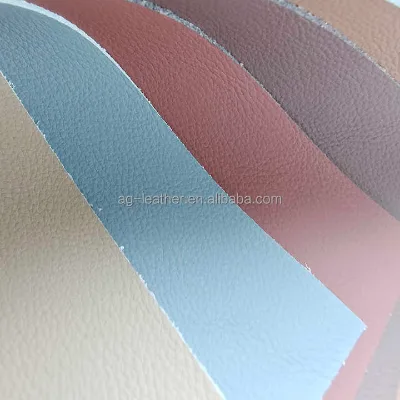


Comprehensive Sourcing Guide
PVC Leather Sourcing Guide
Buyers evaluating PVC leather must first distinguish between the various product configurations observed in the market, ranging from embossed and glitter patterns to standard smooth finishes. The supply chain frequently lists specific model identifiers such as Z071, Z187, and Z151, which often correlate with distinct thickness profiles and width specifications. Understanding these model variations is critical because a single SKU may not satisfy the dimensional requirements of a specific upholstery project or footwear assembly.
Procurement teams should also note that while many listings originate from Hebei, some supply sources are located in Zhejiang, indicating a need to verify the actual place of origin for each order. The material is consistently described as a synthetic product with a PVC base, often featuring a woven or nonwoven backing depending on the intended application. This variation in backing technology directly influences the flexibility and durability of the final product, making it essential to confirm the specific backing type before committing to a bulk order.
Product Scope and Observed Listing Signals
The observed product scope for PVC leather is extensive, covering applications in car seats, home textiles, furniture, bags, and footwear. Listings frequently highlight features such as anti-mildew properties, waterproof capabilities, and abrasion resistance, which are vital for high-traffic environments. Buyers should verify that the specific product selected matches the required usage profile, as some variants are optimized for decorative purposes while others are engineered for heavy-duty industrial use like raincoats or footballs.
Listing signals also reveal significant diversity in packaging and color customization options. While some suppliers offer standard PP film packaging, others utilize PVC film, and color availability often ranges from standard palettes to fully customized requests. The minimum order quantities (MOQ) vary widely, with some suppliers requiring as little as 5 meters while others mandate 5,000 meters per color. This disparity necessitates a clear assessment of inventory needs to avoid overstocking or incurring prohibitive setup costs for smaller production runs.
Technical Specifications to Verify
Thickness is a primary technical parameter that buyers must validate, as observed ranges span from 0.45mm to 1.2mm depending on the specific model and application. For instance, certain car seat applications may require a thickness of 0.6mm to 1mm, while other uses might demand a heavier 1.3mm profile. It is imperative to request physical samples to confirm that the actual thickness aligns with the stated specifications, as deviations can significantly impact the material's performance in terms of durability and drape.
Width and standard dimensions also require rigorous verification, with common widths observed at 54/55 inches and 58/60 inches. Some listings specify standard lengths of 30 meters, while others may offer shorter rolls or custom cuts. Buyers should cross-reference the stated standard dimensions, such as 0.6mm1.4m or 1.3mm1.37m, against their production machinery capabilities. Ensuring compatibility between the material width and the cutting equipment is essential to minimize waste and maintain production efficiency.
Compliance and Safety Documentation
While specific certification documents are not explicitly detailed in the provided listings, buyers must proactively request compliance data for chemical safety and environmental standards. PVC leather often involves additives that require verification against international regulations, particularly for products intended for children's items or automotive interiors. Procurement teams should ask suppliers to provide test reports confirming the absence of harmful substances, ensuring the material meets the safety requirements of the target market.
Safety documentation should also address the material's flammability and toxicity levels, especially for applications in public transport or residential furniture. Although the listings mention features like waterproofing and anti-mildew properties, these functional claims do not automatically equate to regulatory compliance. Buyers need to ensure that the supplier can provide evidence of testing for specific safety standards relevant to the end-use, such as automotive interior flammability ratings or REACH compliance for European markets.
Cost Drivers and Commercial Terms
The cost of PVC leather is heavily influenced by the thickness, width, and the complexity of the pattern or finish applied to the material. Thicker gauges and specialized embossed or glitter patterns typically command higher prices due to increased material usage and processing time. Additionally, the requirement for customized colors or specific backing technologies can introduce variable costs that must be factored into the total landed cost calculation before finalizing a purchase agreement.
Commercial terms regarding minimum order quantities and payment structures are equally critical for budget planning. The observed MOQs range from small batches of 5 meters to large industrial orders of 5,000 meters, directly impacting the unit price and cash flow requirements. Buyers should negotiate terms that align with their production schedule, considering that some suppliers operate on a make-to-order basis which may affect lead times and pricing stability. Clear agreements on packaging, such as roll formats, are also necessary to prevent damage during transit.
Supplier Qualification and Quality Control
Supplier qualification should begin with a thorough review of their production capabilities and origin, as the market includes manufacturers from both Hebei and Zhejiang provinces. Buyers must verify that the supplier has the capacity to maintain consistent quality across large batches, especially when dealing with customized colors or specific model numbers like Z187. Establishing a relationship with a supplier who can provide consistent samples and maintain production standards is vital for long-term supply chain stability.
Quality control protocols must be established to verify the physical attributes of the material upon receipt. This includes checking for consistency in thickness, width, and the integrity of the backing, whether woven or nonwoven. Buyers should implement a sampling plan that tests for key features like abrasion resistance and waterproofing to ensure the material performs as advertised. Regular audits and clear communication channels with the supplier help mitigate risks associated with quality deviations in future orders.
Long-Term Procurement Checks
Sustaining a successful procurement relationship requires ongoing monitoring of the supplier's ability to meet evolving market demands and technical specifications. Buyers should regularly review the supplier's inventory of standard models and their flexibility to accommodate new customization requests. Maintaining a diverse supplier base can provide a buffer against supply chain disruptions, ensuring that production lines remain operational even if a specific model or origin becomes unavailable.
Long-term checks also involve assessing the supplier's responsiveness to quality issues and their commitment to continuous improvement. Buyers should track performance metrics such as defect rates, delivery timeliness, and adherence to agreed-upon standards. Establishing a feedback loop allows for the early identification of potential problems, enabling corrective actions before they impact the final product. This proactive approach ensures that the PVC leather supply remains reliable and cost-effective over the lifecycle of the procurement contract.
FAQs
What are the common thickness options for this PVC leather?
The available thickness ranges from 0.45mm to 1.3mm depending on the specific model. Standard options include 0.6mm, 0.7mm, 0.8mm, and 1.2mm. These variations allow for different durability levels suitable for car seats, bags, and home textiles. Buyers can select the appropriate thickness based on their intended application and required material strength.
Can I customize the color and pattern of the PVC leather?
Yes, customized colors and patterns are available for most models. Options include embossed and glitter finishes to meet specific design requirements. The material supports tailored aesthetics for furniture, shoes, and decorative items. Buyers should confirm specific color availability and pattern details with the supplier before placing an order to ensure the final product matches their vision.
What is the minimum order quantity for PVC leather rolls?
The minimum order quantity varies by supplier, typically ranging from 5 meters to 5,000 meters. Some suppliers require 1,000 meters per color, while others may accept smaller trial orders. Buyers should check the specific MOQ for their chosen model and color. Larger orders often benefit from better pricing and consistent production runs for bulk manufacturing needs.
What features does this PVC leather offer for durability?
This PVC leather is designed with anti-mildew, waterproof, and abrasion-resistant properties. These features ensure longevity in high-use applications like car seats, bags, and footwear. The material also offers softness and elasticity in certain models. These characteristics make it suitable for both indoor and outdoor uses where resistance to wear and moisture is essential.
Where is this PVC leather manufactured and shipped from?
The product originates from China, with specific manufacturing locations in Hebei and Zhejiang provinces. These regions are known for their textile and synthetic material production capabilities. Buyers can expect consistent quality and efficient logistics from these origins. The products are typically packed in PP or PVC film and shipped in rolls for easy handling and storage.
What are the standard widths available for this material?
Standard widths include 54/55 inches and 58/60 inches. Some models may also be available in 1.37m or 1.4m widths. These dimensions accommodate various cutting and sewing requirements for different industries. Buyers should verify the exact width for their specific model to ensure compatibility with their production equipment and design specifications.